AZfamily.com · Zach Prelutsky · September 8, 2026
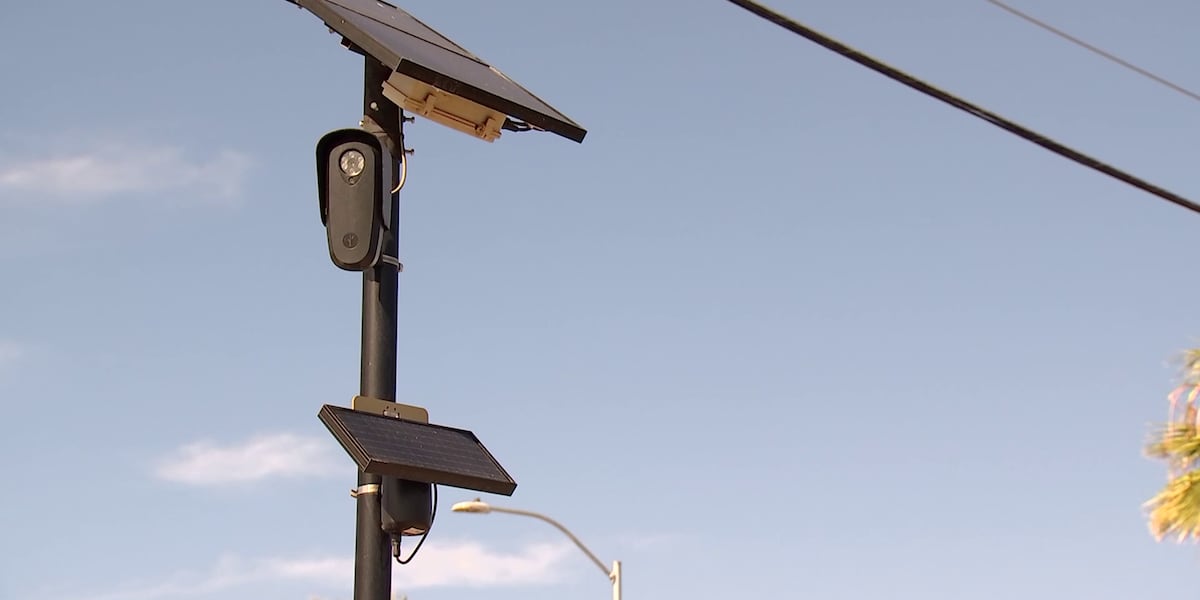
Revisiting the bill to regulate Arizona’s license plate readers that failed
# Revisiting the bill to regulate Arizona’s license plate readers that failed
##### SB 1111 never made it out of the State Senate; more Arizona cities continue to end their ALPR systems amid controversy
Privacy concerns and instance of misuse have sparked a growing controversy around ALPR cameras.
By Zach Prelutsky
Published: Sep. 7, 2026 at 10:15 PM MST| Updated: 30 minutes ago
PHOENIX (AZFamily) — Over the weekend, Cottonwood and Payson joined a growing list of cities, towns, and counties across Arizona that have decided to stop using Automated License Plate Readers, at least for now.
Privacy concerns and instance of misuse have sparked a growing controversy around ALPR cameras.
Earlier this year, Arizona lawmakers attempted to take up the issue of putting in place statewide guardrails.
“Under license plate readers for the state, and cities and counties throughout the state, there is no guidance,” said State Senator Kevin Payne (R-District 27) during a Senate Hearing in March.
Payne was the sponsor of Senate Bill 1111 which, under the original version, would have limited what ALPR camera data could be used for along with requirements for training, audit logs, and reviews.
“The fact remains is there are no regulations. What we have is a mis mash of policies across multiple departments. Some are more strict than others. It’s the ones that aren’t so strict I’m concerned about,” said State Senator Mark Finchem (R-District 1), during a Appropriations, Transportation and Technology (ATT) Committee hearing on February 10.
SB 1111 passed the ATT committee with a vote of 7-2-1.
The bill would later appear during a Senate Committee of the Whole meeting on March 4.
By this point, the original bill had been amended to also make misuse the system or its data a class 6 felony and also require a warrant or subpoena, which would give them access to the images for a limited amount of time.
But some elected officials, including Sen. Jake Hoffman (R-District 15), were against SB 1111
“You’re sacrificing everybody in the state of Arizona’s liberty for a bill that all it does is authorize mass surveillance with giant loopholes,” said Hoffman in March.
At the time, Hoffman offered his own amendment to the bill would would have essentially put a broad ban on the technology outside of being used to track government vehicles on government property.
Multiple other Republicans, including Payne, called the amendment “hostile”.
That amendment failed, but did garner support from some democrats in who raised their own concerns about the bill, including what a “official law enforcement purpose” was.
“I appreciate the effort to try to put regulations on these cameras. Eventually I hope we’ll get to that point because right now they’re not regulated, but this bill definitely still has a lot of problems,” said Sen. Mitzi Epstein (D-District 12).
SB 1111 never had a third reading at the State Senate.
Recent polling in Arizona found that 82 percent of people in the state are concerned about misuse when it comes to ALPRs and the same number would support requiring law enforcement agencies to undergo independent audits.
With renewed conversations about these systems, some current Arizona lawmakers have brought up the possibility of introducing legislation regarding ALPR cameras next year.
Several departments have adopted parts of the policies proposed in the failed bill, although they are not mandatory under Arizona law.
In August, Arizona Attorney General Kris Mayes announced her office would undergo a review of ALPR systems statewide and called for a statewide approach to the issue.
In a statement, the communications director for Gov. Katie Hobbs’ campaign said “Governor Hobbs believes Arizona can both keep people safe and protect privacy. She supports common-sense guardrails and local control that allows communities to decide what is best for them.”
See a spelling or grammatical error in our story? Please click here to report it.
programming@azfamily.com | 602-207-3333