Thoughts on school funding commission, Columbia Falls High School bond | Whitefish Pilot
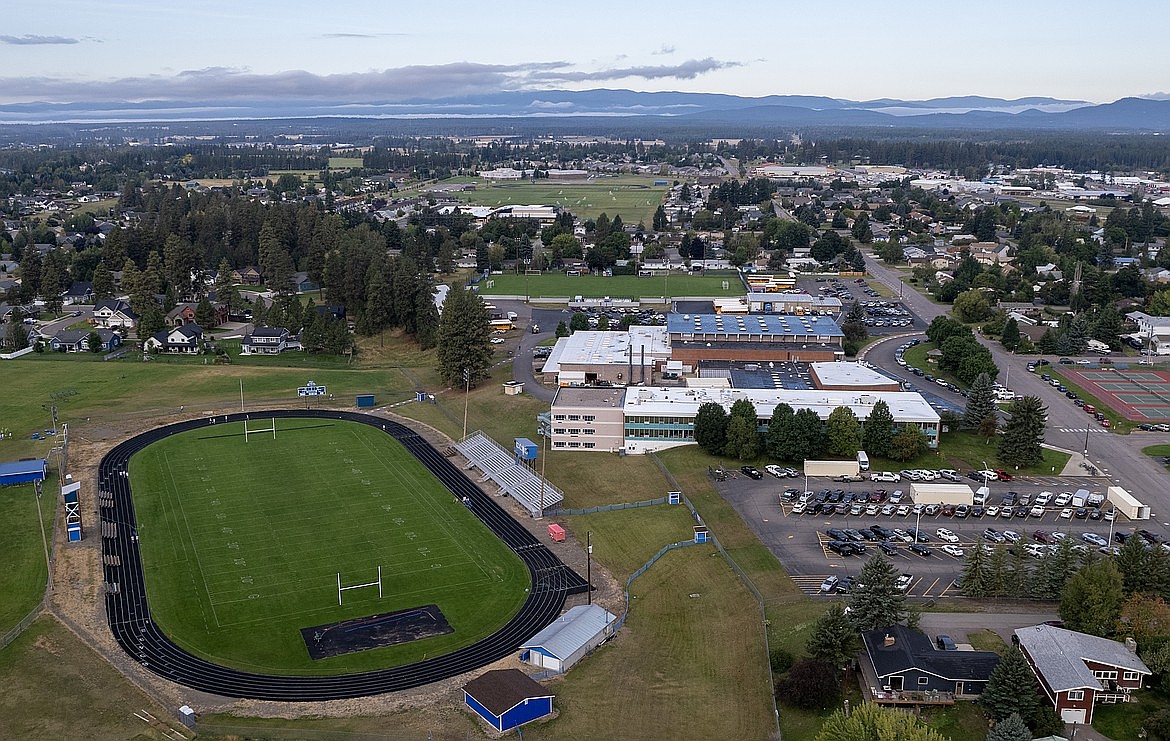
Thoughts on school funding commission, Columbia Falls High School bond | Whitefish Pilot # Thoughts on school funding commission, Columbia Falls High School bond An aerial view of Columbia Falls High School.
whitefishpilot.com · September 9, 2026
Thoughts on school funding commission, Columbia Falls High School bond | Whitefish Pilot
# Thoughts on school funding commission, Columbia Falls High School bond
An aerial view of Columbia Falls High School. (Hungry Horse News photo)
by DAVE FERN | September 9, 2026 1:00 AM
I was a late replacement to the School Funding Interim commission (SFIC). Every 10 years this commission is convened to review the funding of K-12 education in the state. The Commission was bi-partisan and politically diverse. Montana’s constitution and state supreme court decisions from the past 50 years serves as a lynchpin to school funding adequacy and equity.
All schools are not equal but our current funding formula creates a system where all school districts fit into a box resulting in most cases of no more than a 20% discrepancy between a mandatory base budget and a maximum budget derived from voted levies. The term adequacy measures the ability of a district to fund the costs mandated through accreditation standards along with federal and state laws. Various components of educating a child including special education, at risk students, English language learners, and inflation, making up some of the factors in determining the overall value of a student, as used in the funding formula.
One of the early bills the legislature passes is the inflationary increase approved by the body, allowing additional school district budget authority through a combination of local and state funding. While the legislature can override the soft cap of 3% within statute, to date we have failed to exceed that cap despite the actual inflation percentage. When inflation is low, we have approved funding authority at the 1%-2% level. During the post Covid years of 2021, 2022, and 2023, inflation ran at 4.7%, 8.0% and 4.1%. You see the gap that forms. Concurrently, the cost of complex special education needs have increased along with the overall percentage of students identified as eligible for Special Education services. Where does the money derive from at the district level for such complex needs? In order to fund the needs of such students, districts often venture away from their general budgets and permissively levy (a levy without the public’s vote), through a tuition levy.
At risk student payments are among the lowest in the nation. As there is also an increasing number of English language learners (ELL’s), Montana is the only state that provides no supplemental funding for ELL’s. These funding deficits and more were identified in the Commission’s work.
The Commission voted on individual bills to move forward in this upcoming session. Individual legislators on the committee will present the eight bills approved by the Commission. The Commission’s task was identifying gaps in adequacy rather than suggesting funding sources. The state continues to collect robust income tax collections especially from growing capital gains. While levelling downward from post-Covid years, the state is fortunate to continue economic growth. So, where will the money come from? During the November Revenue Interim Committee, we will determine the revenues that will be collected over the subsequent two years. We will also see the unveiling of the governor’s budget and his priorities for the next session.
I rarely endorse. I stay away from being an advocate and stick to legislating. Last fall I visited all the buildings within School District 6, Columbia Falls. I’ve also attended a few school board meetings. I’m convinced that there is a pressing need to improve Columbia Falls High School. I’m hoping that most voters within the district who are also property owners have benefited from lowered rates for primary homes. There may well be other beneficiaries from state and federal tax policy decisions. These include tax liability reductions through the Big Beautiful Bill and reduced state income taxes. A significant bond is often a referendum on the voter’s confidence of the future. With a 17% approval rate of Congress, an unpopular war and diesel fuel at $5.73, I get and share your angst. The bet you’re making is on the future of our communities. Columbia Falls has “reinvented” itself through the resort tax and a Tax Increment Financing District. Residential and commercial development will continue. Residents are under good stewardship from the city council and school board. The date of approval for a bond will be its high-water mark on costs to the property owner and renter. As development continues there will be a higher tax base to better spread the tax burden. In addition, I am hopeful of the possibility of refinancing at a lower rate in the future, resulting in lower taxes. I live in the Whitefish School District. If I resided within District 6, I would support the bond and urge the reader to do so.
Sen. Dave Fern, SD 2, Whitefish/Columbia Falls